JETRAY / Battery engineering & sourcingShenzhen, China[email protected] ↗
JETRAYLithium-ion Battery PacksBlog
BLOG & TECHNICAL GUIDES

A working library for better specifications.

Practical reading about selection, integration and purchasing. Each guide includes source references and connects to a relevant project discussion.

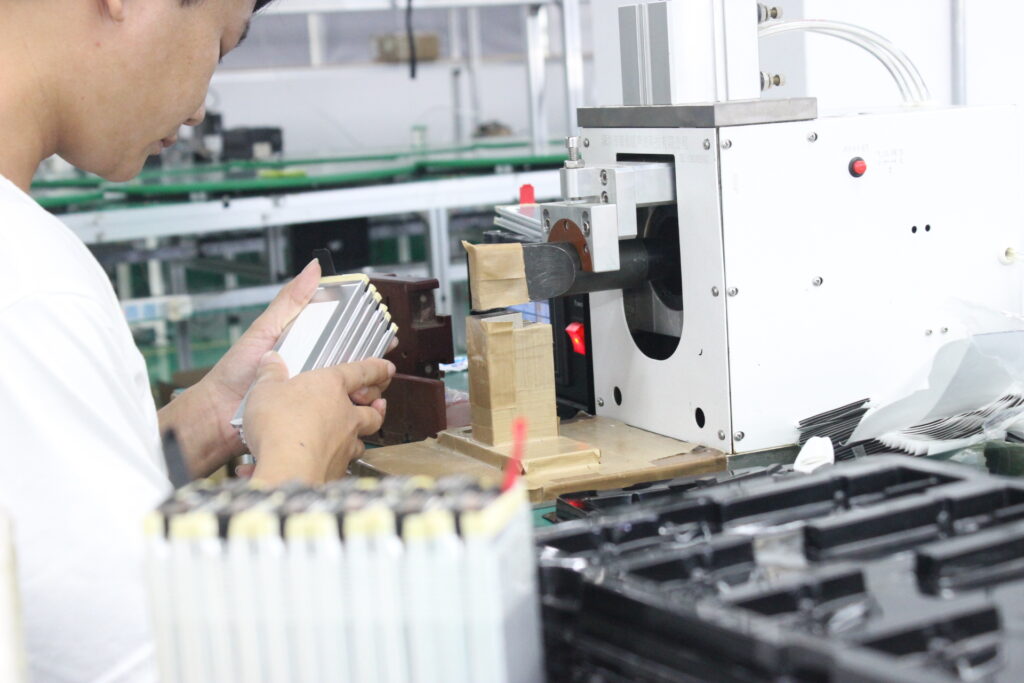
Engineering workspace published on the Jetray website
FEATURED BLOG GUIDE / CUSTOM PACK SYSTEMS

Build an OEM Battery Pack Power and Energy Budget That Survives the Real Duty Cycle

Separate watt-hours, voltage limits and current peaks in an OEM lithium-ion pack budget, with a worked duty-cycle example and an evidence-led RFQ checklist.

Read the featured guide ↗
6 original guides · Jetray editorial team · Updated 5 November 2026
Choose a reading path

Find the question that matches your project.

The Blog connects practical product selection with integration and purchasing decisions.

Start here when…Consider these questionsRead next
You are defining the requirement.Start with an electrical boundary and a mission definition · Describe normal operation as modes rather than one average numberBuild an OEM Battery Pack Power and Energy Budget That Survives the Real Duty Cycle
You are integrating a configuration.Name the event before assigning a current rating · Use a pulse envelope that a supplier can reproduceHow Should an OEM Specify Battery Pack Startup Current Pulses?
You are preparing an RFQ or evaluation.Identify what the equipment is trying to hold constant · Work through current at several battery voltagesWhy Does a Constant-Power Load Draw More Battery Current as Voltage Falls?
A useful conversation starts with a specification

Tell us what your equipment needs.

Share the load, dimensions and intended use. Ask for a current model specification and a project review.

Discuss your project

Product comparison